Mahmud Mir
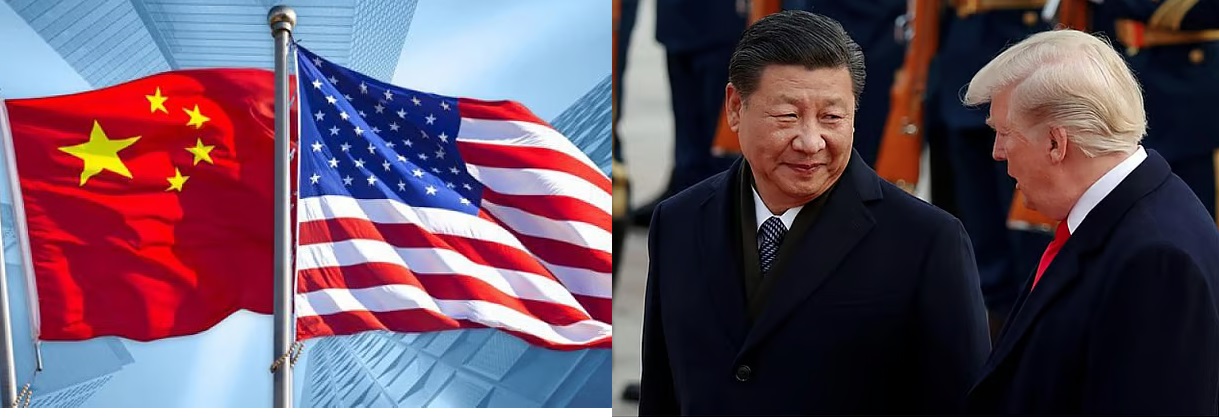
On September 24, US President Donald Trump and Chinese President Xi Jinping will meet in Washington. Their meeting will have significant ramifications because they are the leaders of the two most powerful countries in the world.
Xi Jinping is both an idealist leader and a strict ruler. His foreign policy is based on “Xi Jinping Thought,” which emphasizes upholding the Communist Party’s authority and his own leadership. The goal of raising China’s stature and influence internationally comes next.
These interests are reflected in China’s strong opposition to Trump’s tariff war; as a result, it seems doubtful that China will give in to US pressure.
Jinping’s ultimate goal is to realize his vision of the “Chinese Dream of national rejuvenation” by 2050. China is pursuing two major paths to achieve this goal. The first involves garnering widespread support for its foreign policy from nations of the Global South.
Integrating Taiwan into China is the second goal. Seizing Taiwan would be a significant statement of China’s dominance over the United States, given the island’s strategic placement within the First Island Chain in the Pacific and the existence of American interests there. But before initiating such an operation, China needs to be certain of its success. The 2050 timeline implies that Xi Jinping is not in a hurry to take immediate action.
Under its leadership, China aims to create a “shared future for mankind” and bring the countries of the Global South closer together. This is what Xi Jinping refers to as the “democratization of international relations.” The ultimate objective is to progressively convert the existing international order into one that is centered on China.
Therefore, it is essential to comprehend Xi Jinping’s interest in the Global South and his aspirations to reform the international order in order to manage an effective relationship with the United States. China wants to challenge the idea that democracy is the best course for the developing countries in addition to ending American hegemony.
The Iranian dispute is one example. China did not want the US to strike Iran, but it is now benefiting from the US’s inability to employ military force to accomplish its declared objectives. The more the United States damages the Global South, alienates allies, and destabilizes the world economy, the simpler it is for China to win support.
In the meeting with Trump, Xi Jinping is anticipated to have the upper hand.
Positive conversations with Trump and the presentation of a positive image on the talks and other topics are critical to the meeting’s ability to assist the United States in escaping a self-inflicted crisis in the Middle East.