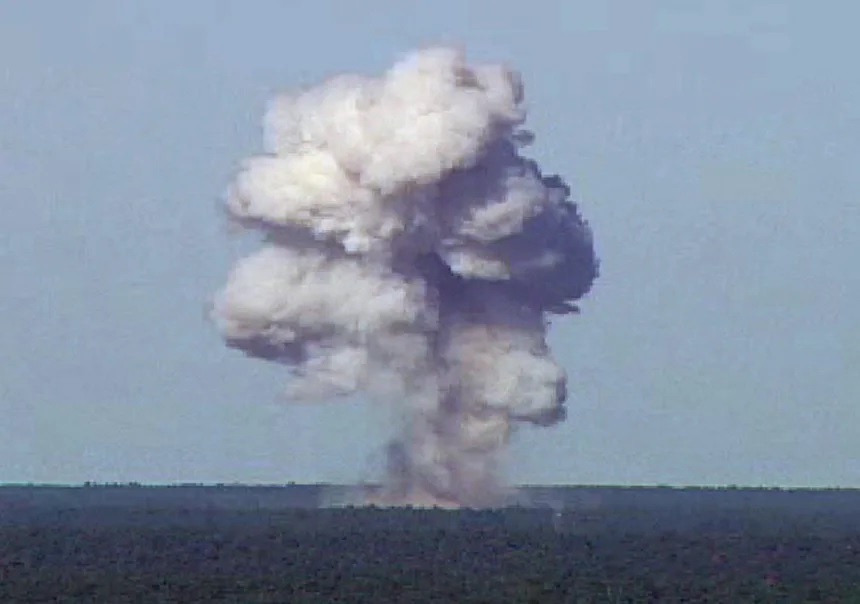
International Desk: The recent developments regarding the US military’s strike plans against Iran have raised significant concerns among analysts and policymakers alike. The potential use of the GBU-43/B Massive Ordnance Air Blast Bomb, commonly referred to as the “mother of all bombs,” signifies a dramatic shift in military strategy that could have far-reaching implications.
As the midterm elections approach, the pressure on President Trump to address the ongoing conflict intensifies. The prospect of deploying such a powerful weapon raises questions not only about its effectiveness but also about the broader strategic objectives of the US in the region. Critics argue that resorting to such measures may not lead to a resolution but rather exacerbate tensions and prolong the conflict.
Moreover, the lack of a coherent strategy from the White House has left many officials skeptical about the potential for a successful outcome. The ongoing military operations, coupled with the absence of diplomatic engagement, suggest that the path to peace remains fraught with challenges. As the situation evolves, the implications of these military decisions will undoubtedly shape the future of US-Iran relations and the political landscape at home.
In this context, it is crucial for the administration to consider the long-term consequences of its actions and to seek a comprehensive approach that prioritizes diplomacy alongside military readiness. The stakes are high, and the choices made in the coming weeks could define not only the fate of the conflict but also the political fortunes of those in power.