সৈয়দা নার্গিস
আজকের শব্দ shofar [SHOH-far]
noun
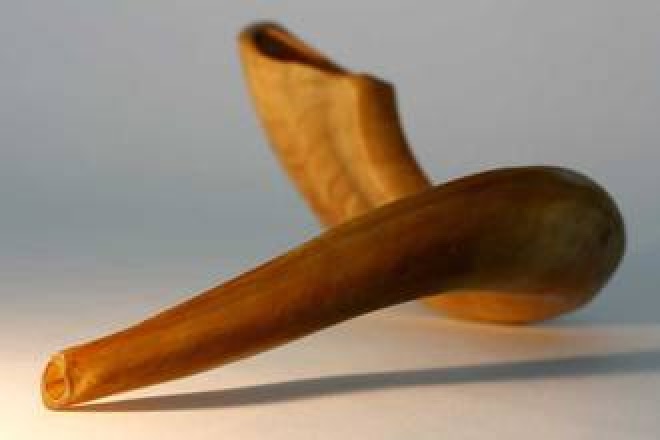
A shofar is the horn of an animal (usually a ram) blown as a trumpet by the ancient Hebrews in battle and during religious observances. It is used in modern Judaism especially during Rosh Hashanah and at the end of Yom Kippur. [‘শোফার’ হলো কোনো প্রাণীর (সাধারণত ভেড়ার) শিং দিয়ে তৈরি এক ধরণের বাদ্যযন্ত্র, যা প্রাচীন হিব্রুরা যুদ্ধক্ষেত্রে এবং ধর্মীয় আচার-অনুষ্ঠানের সময় শিঙার মতো বাজাত। আধুনিক ইহুদি ধর্মে, বিশেষ করে ‘রশ হাশানাহ’ (ইহুদি নববর্ষ) এবং ‘ইওম কিপুর’-এর (প্রায়শ্চিত্তের দিন) সমাপ্তিলগ্নে এর ব্যবহার দেখা যায়।]
As a child, Eli’s favorite part of the High Holidays was the sounding of the shofar. [ছোটবেলায়, ইহুদিদের প্রধান ধর্মীয় উৎসবগুলোর মধ্যে ‘এলি’-র সবচেয়ে প্রিয় বিষয় ছিল শোফার বাজানোর মুহূর্তটি।]
Shofar in Context
“Sheep were domesticated in ancient Mesopotamia over ten thousand years ago and we have the ancient cave paintings to prove it. Sheep appear in folklore, religion, and mythology from all over the world: the Greek golden fleece, the Jewish shofar, the Egyptian Pharaoh’s shepherd’s crook, Christianity’s Agnus Dei.” — Celia Mattison, Literary Hub, 30 Oct. 2025 [“দশ হাজারেরও বেশি বছর আগে প্রাচীন মেসোপটেমিয়ায় ভেড়া পালন শুরু হয়েছিল এবং এর প্রমাণ হিসেবে আমাদের কাছে রয়েছে প্রাচীন গুহাচিত্র। বিশ্বের নানা প্রান্তের লোককথা, ধর্ম ও পৌরাণিক কাহিনীতে ভেড়ার উপস্থিতি লক্ষ্য করা যায়: যেমন—গ্রিক পুরাণের ‘গোল্ডেন ফ্লিস’ (সোনার লোমযুক্ত মেষচর্ম), ইহুদিদের ‘শোফার’, মিশরের ফারাওদের মেষপালকের লাঠি (শেফার্ডস ক্রুক) এবং খ্রিস্টধর্মের ‘অ্যাগনাস দেই’ (ঈশ্বরের মেষশাবক)।” — সেলিয়া ম্যাটিসন, লিটারারি হাব, ৩০ অক্টোবর, ২০২৫]
লেখক: শিক্ষিকা ও প্রাবন্ধিক